
Condition Grading Guide
Understanding condition is essential for fair pricing and collector satisfaction. Learn how we grade every piece in our inventory with transparency and expertise.
Condition grading is the foundation of honest dealing in the die-cast collector community. At Hotwheels Reseller, we use industry-standard condition grades to describe every item accurately—from mint treasures to play-worn classics. Whether you're buying, selling, or appraising, understanding these grades helps you make informed decisions and fair trades.
Mint in Box (MIB)
Original packaging intact and undamaged. No play wear, paint perfect, wheels intact and spinning freely. Insert or card pristine. This is the highest grade—a collector's dream.
Example: 1968 Custom Camaro, original Redline box, factory sealed condition.
Near Mint (NM)
Minimal play wear. Original box may have light shelf wear, minor creasing, or slight fading. Car shows virtually no paint wear, wheels intact, minor imperfections only visible under close inspection.
Example: Loose 1970s Hot Wheels, light dust, original paint, wheels slightly loose.
Excellent (EX)
Light to moderate play wear evident. Paint may show minor wear on high points (hood, roof). Wheels functional but may show oxidation. Box shows moderate wear, creasing, or edge damage. Still highly desirable to collectors.
Example: Carded Hot Wheels from 1980s, card shows creasing, car paint shows light play wear.
Very Good (VG)
Moderate to heavy play wear. Paint loss visible on edges and high points. Wheels may be loose, stiff, or oxidized. Box significantly worn, possibly with tape, stickers, or writing. Still collectible for those seeking affordable examples.
Example: Loose vintage Hot Wheels, visible paint wear, wheels functional, original paint mostly intact.
Good (G)
Heavy play wear throughout. Significant paint loss, rust spots possible on metal. Wheels may not spin or are heavily oxidized. Box heavily damaged, possibly missing. Suitable for display or restoration projects.
Example: Well-played vintage Hot Wheels, substantial paint loss, wheels stiff, but intact and identifiable.
Fair (F)
Severe wear and damage. May have bent chassis, missing wheels, or significant rust. Paint heavily worn or missing. Only for collectors seeking rare models regardless of condition or parts donors.
Example: Heavily played Hot Wheels, missing wheels, chassis damage, paint mostly gone.
Poor (P)
Severely damaged or incomplete. May be missing major parts, heavily rusted, or barely recognizable. Primarily valuable as a rare model or parts donor, not for display.
Example: Incomplete Hot Wheels, major damage, missing wheels or base, rare variant only.
Honest Grading = Fair Deals
We describe condition accurately because trust is everything in the collector community. Every photo, measurement, and detail is verified before listing. If something is wrong, we make it right.
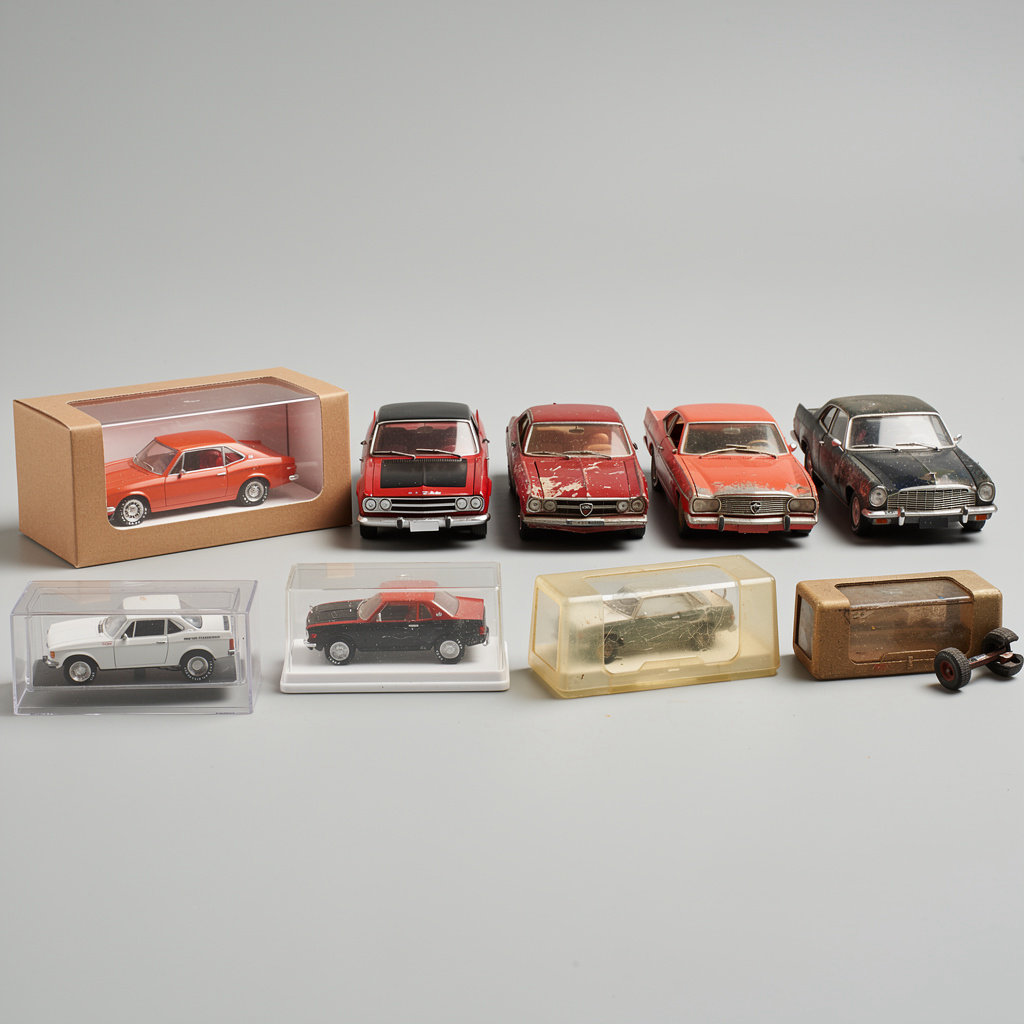
What We Look For When Grading
Paint Condition
Original factory paint, gloss level, chips, cracks, fading, and oxidation. High-point wear on hood, roof, and edges indicates play wear.
Wheels & Axles
Spin freely, are loose, or stuck? Oxidation, flaking chrome, or cracks? Redline vs. modern wheels? Condition tells the car's story.
Chassis & Frame
Dents, bends, cracks, or rust? Metal deterioration? Missing or broken parts? Any structural damage affects value and playability.
Packaging & Box
Original or reproduction? Creasing, tears, tape, stickers, writing, or fading? Box condition dramatically impacts value for carded items.
Original Parts
All pieces original and intact? Replaced wheels, missing parts, or aftermarket modifications? We note any non-original elements.
Cleanliness
Surface dust, dirt, or grime? Interior cleanliness? We describe and photograph items as-found, noting any cleaning or restoration.
Real-World Examples
The Mint Treasure
Item: 1968 Custom Camaro, Original Redline
Condition: Mint in Box (MIB)
Details: Factory-sealed box, never opened. Car pristine—perfect paint, wheels spin freely, no wear visible. Original insert intact. This is what collectors dream of finding.
The Player's Favorite
Item: 1970s Hot Wheels Loose, Various Models
Condition: Very Good (VG)
Details: Well-loved and played with. Paint shows wear on high points, wheels loose and oxidized but functional. Chassis intact, no major damage. Perfect for display or a collector who values history and play value.
The Rare Find
Item: 1960s Hot Wheels, Rare Variant
Condition: Good (G)
Details: Heavy play wear and age visible. Paint significantly worn, wheels stiff. But—this is a scarce variant that collectors seek regardless of condition. Perfect for completion or restoration projects.
The Carded Gem
Item: 1980s Hot Wheels, Original Card
Condition: Excellent (EX)
Details: Card shows light wear and creasing typical of age. Car itself shows minimal play wear—paint mostly intact, wheels functional. Highly desirable for collectors seeking carded vintage with authentic wear.
Our Grading Philosophy
At Hotwheels Reseller, we believe honest condition grading is non-negotiable. Every item is photographed in natural light with multiple angles. We describe wear, damage, and missing parts accurately—because fair pricing depends on honest assessment. If something is wrong with an item after you receive it, we make it right. Your trust is our most valuable asset.
Whether you're a seasoned collector or new to the hobby, understanding these grades helps you make smart purchases and fair trades. If you have questions about a specific piece or need a professional appraisal, we're here to help.
Spotting Authentic Hot Wheels
Learn how to identify genuine Hot Wheels, verify authenticity markers, and spot counterfeits. Our collector-focused guide helps you build confidence in your purchases.
Redlines: The Gold Standard
Redlines are Hot Wheels with red-painted sidewalls on the wheels, produced from 1968–1977. They're among the most sought-after vintage models. Genuine Redlines feature crisp, vibrant red paint on the wheel edges and specific base markings indicating their production year. Look for sharp paint lines—counterfeits often have blurry or faded red edges.
Base Markings & Stamps
Every authentic Hot Wheels car has markings on its base. Check for: country of origin (Hong Kong, Malaysia, China, etc.), copyright year, model name, and patent information. Early models (1968–1977) show "Hot Wheels" and patent dates. Learn to read these stamps—they tell the story of your car's age and rarity. Counterfeits often have poorly stamped or missing markings.
Paint & Wheel Authentication
Original Paint Characteristics
- Finish Quality: Authentic Hot Wheels have smooth, even paint with consistent color saturation. Look for depth and gloss—cheap counterfeits often have flat or chalky finishes.
- Wear Patterns: Original play-wear shows natural, consistent aging. Counterfeits may have uneven paint loss or artificial-looking scratches.
- Detail Lines: Graphics, stripes, and decals on authentic models are crisp and well-defined. Fakes often have blurry or misaligned graphics.
Wheel Type Identification
- Redline Wheels: Smooth, painted red sidewalls (1968–1977). Wheels should spin freely and show minimal wear on the red paint.
- Blackwall Wheels: Black-painted sidewalls (1977 onward). Should have consistent color and minimal chipping.
- Counterfeit Warning: Fake wheels often have poorly painted edges, uneven color, or incorrect casting. Check wheel axles for clean, smooth casting.
Packaging & Box Authenticity
Original Boxes
Genuine Hot Wheels boxes feature high-quality printing, correct typography, and appropriate wear for their age. Check for:
- • Crisp, vibrant artwork and text
- • Correct era-appropriate graphics
- • Proper country of origin stamps
- • Matching serial numbers on box and car
Inserts & Liners
Original inserts (the cardboard holders inside) show authentic aging patterns. Watch for:
- • Proper die-cutting precision
- • Correct cardstock weight & texture
- • Natural yellowing (not artificial)
- • Age-appropriate adhesives
Counterfeit Red Flags
Avoid boxes and cars showing these warning signs:
- ✗ Blurry or pixelated graphics
- ✗ Spelling errors or incorrect fonts
- ✗ Mismatched serial numbers
- ✗ Poor glue application or loose parts
Understanding Variations & Rarity
Hot Wheels produced countless variations within each model—different wheel types, paint colors, base markings, and production runs. These variations significantly impact value:
Early Production Runs (1968–1970)
The earliest Sweet 16 models command premium prices. Look for "Hong Kong" stamps and specific wheel types.
Color Variants
Rare color variations (e.g., "Python" in yellow vs. red) can be worth 5–10x more. Research specific models to identify valuable color runs.
Base Marking Variations
Different copyright years, patent info, and country stamps indicate different production batches. Some are rarer than others.
Wheel & Axle Variations
Different wheel styles (Redline, Blackwall, Chrome, etc.) and axle types can dramatically affect value. Mint Redline wheels are especially valuable.
Expert Tips for Collectors
- 1. Handle with Care: Use cotton gloves when inspecting cars to avoid oils damaging paint.
- 2. Use Reference Guides: Cross-reference suspected models with official Hot Wheels catalogs or collector databases.
- 3. Check Wheel Spin: Authentic wheels spin freely. Stiff or grinding wheels may indicate counterfeits or damage.
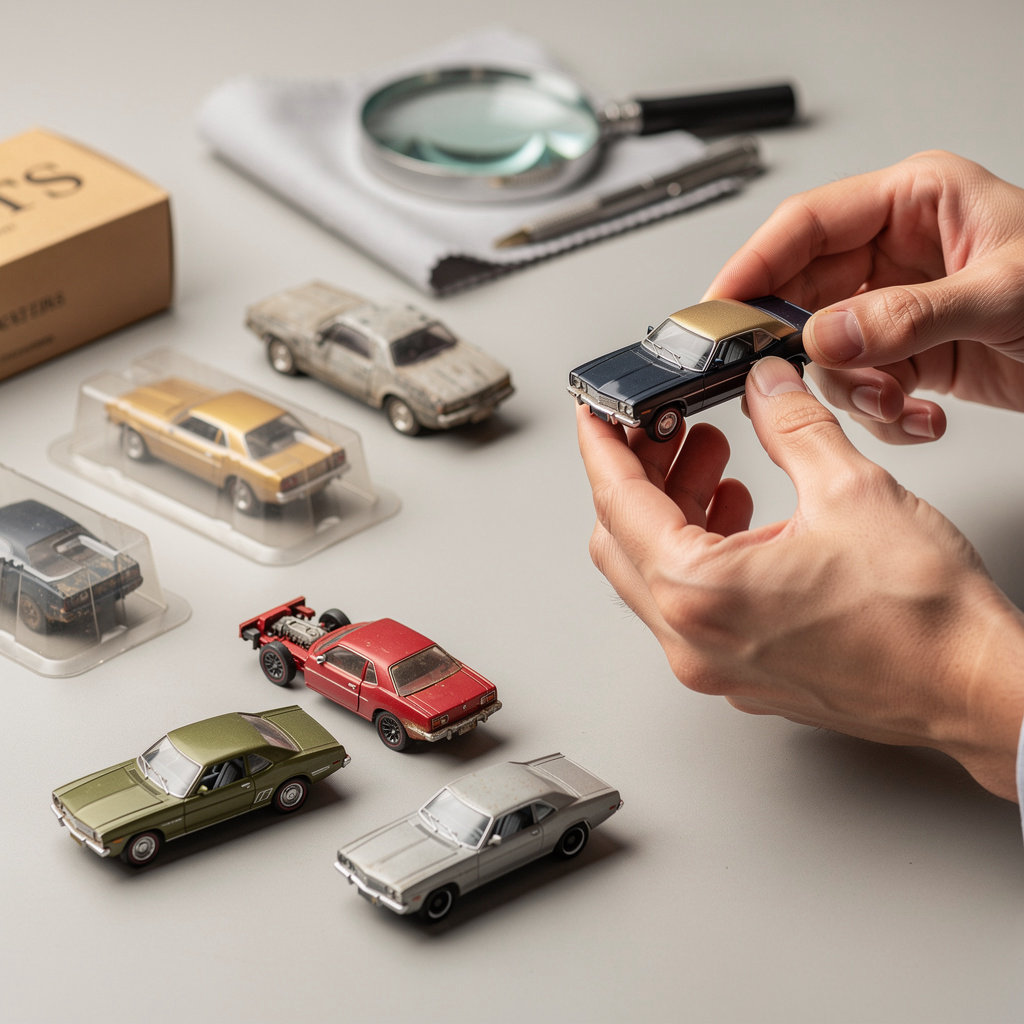
- 4. Inspect Under Light: Use a magnifying glass and bright light to examine base markings, paint, and wheels closely.
Condition Grading Matters
Authenticity goes hand-in-hand with condition. A genuine car in poor condition is worth less than a fake-looking one in mint condition—but authenticity is always the foundation.
- → Mint in Box (MIB): Never removed, original packaging intact.
- → Near Mint (NM): Minimal wear, original condition.
- → Play-Worn: Used but authentic, with natural aging.
Always ask for detailed condition descriptions and photos before purchasing.
At Hotwheels Reseller, we verify authenticity on every car we source. Our expertise in Redlines, variations, base markings, and packaging helps us provide collectors with confidence in their purchases. If you have questions about a specific piece or want an expert opinion, don't hesitate to reach out.
Trust is built on transparency. Every car we list includes detailed condition descriptions, clear photography, and honest authenticity assessment.
Hot Wheels Pricing & Market Trends
Understanding what drives Hot Wheels value helps collectors make informed decisions. Whether you're buying, selling, or building your collection, these insights show how rarity, condition, year, and market demand shape pricing.
Rarity & Variation
Scarcity is the foundation of Hot Wheels value. Limited production runs, regional variations, and rare color combinations command premium prices.
- • First-Year Issues: Models released in their debut year often worth more than later versions
- • Color Variants: Rare colors (like certain Redline shades) can be worth 5-10x more than common versions
- • Regional Exclusives: Models released only in specific countries or markets fetch higher prices
- • Prototype & Test Cars: Pre-production models are among the most sought-after collectibles
Condition & Grading
Condition is everything in collectibles. The difference between Mint in Box and loose play-worn can mean hundreds of dollars.
- • Mint in Box (MIB): Original packaging, no wear. Typically 3-5x more valuable than loose versions
- • Near Mint Loose: Minimal wear, no box. Usually 50-70% of MIB value
- • Play-Worn: Visible wear, loose wheels, paint chips. 10-20% of MIB value
- • Packaging Matters: Original box condition affects overall value significantly
Year & Production Run
Earlier production years and shorter runs typically command higher prices. Classic Redlines from 1968-1977 are among the most valuable.
- • Redlines (1968-1977): The golden era of Hot Wheels. First-year Redlines are highly sought
- • Early Production Numbers: Lower serial numbers and early stamps indicate higher value
- • Limited Runs: Models produced for one year only worth more than multi-year releases
- • Special Editions: Models released for specific markets or events command premiums
Current Market Demand
Collector interest and investment potential shift with trends. Some models gain value faster than others based on demand and nostalgia.
- • Nostalgia Cycles: Models from specific eras (80s, 90s) see price increases as collectors reach those years
- • Pop Culture Ties: Models featured in movies or TV shows often see demand spikes
- • Investment Grade: Slabbed (graded) vintage cars command premium prices among serious collectors
- • Custom Builds: One-of-a-kind modifications are gaining value as collectible art
Price Range Examples
Here's how the same Hot Wheels model can vary dramatically based on condition, rarity, and year. These are real-world market examples:
| Model & Year | Condition | Typical Price | Notes |
|---|---|---|---|
| Custom Camaro (1968 Redline) | Play-Worn Loose | $15–$35 | Visible wear, original wheels |
| Custom Camaro (1968 Redline) | Near Mint Loose | $80–$150 | Minimal wear, intact details |
| Custom Camaro (1968 Redline) | Mint in Box | $400–$800+ | Original box, unplayed condition |
| Python (1968, Rare Color) | Mint in Box | $1,200–$2,500 | Limited color variant, high demand |
| Custom Camaro (1995, Common) | Mint in Box | $2–$5 | Later release, high production volume |
Prices reflect current market conditions and vary based on specific variations, seller reputation, and collector demand. All prices are USD equivalents.
Investment Potential
Vintage Hot Wheels have proven to be solid collectibles with consistent value appreciation over time. Key investment considerations:
- ✓ Redlines from the 1968-1977 era have appreciated 8-12% annually on average
- ✓ Graded (slabbed) vintage cars offer transparent value and investment security
- ✓ Rarity trumps age—a rare 1990s variant can outpace a common 1970s model
- ✓ Condition preservation is critical—MIB items hold value far better than played-with cars
Our Fair Pricing Approach
At Hotwheels Reseller, we price based on market reality, not speculation. Our process:
- ✓ Research current comparable sales across multiple platforms (eBay, specialty dealers, auctions)
- ✓ Factor in condition honestly—we don't inflate grades to justify higher prices
- ✓ Remain flexible—we're open to offers and work with collectors on bulk purchases
- ✓ Provide full transparency—detailed descriptions and clear condition assessments for every item
Questions About Pricing?
Whether you're researching a specific model, curious about appraisal values, or want to discuss market trends, we're here to help. Reach out with your questions—we love talking collector insights.
Our team responds to pricing inquiries within 24-48 hours, and we're happy to provide detailed market context for any item in our inventory.
Want Expert Advice? We're Here to Help.
These guides cover the basics, but every collection is unique. If you have questions about a specific piece, need an appraisal, or want personalized advice, email us. We love helping collectors make informed decisions.
Personalized Guidance
Get expert advice tailored to your specific collection, questions, and collector goals.
Appraisal Services
Professional assessments of your collection's condition, rarity, and market value.
Deep Collector Expertise
Tap into years of sourcing, collecting, and community knowledge from a fellow enthusiast.
Quick Response: We typically reply to all inquiries within 24-48 hours. Whether you're hunting a rare piece, exploring a custom build, or evaluating your collection, we're here to help.